Water, place
and people.
A field story from the Keiyo Highlands and Kerio Escarpment: community clean-ups, tree planting, water-point care and the conversations that connect them.
The work began with what people could see around them: a water trough that needed cleaning, waste gathering in shared places, and land that communities wanted to care for. In Oldoldol, Kiptargotich, Iten and Kamebur, field days brought practical action and local conversations together. Tunza Kerio is the story of those visits and the question they left with us: how can care for water continue after one day of work?
From a clean-up day to a longer conversation about water
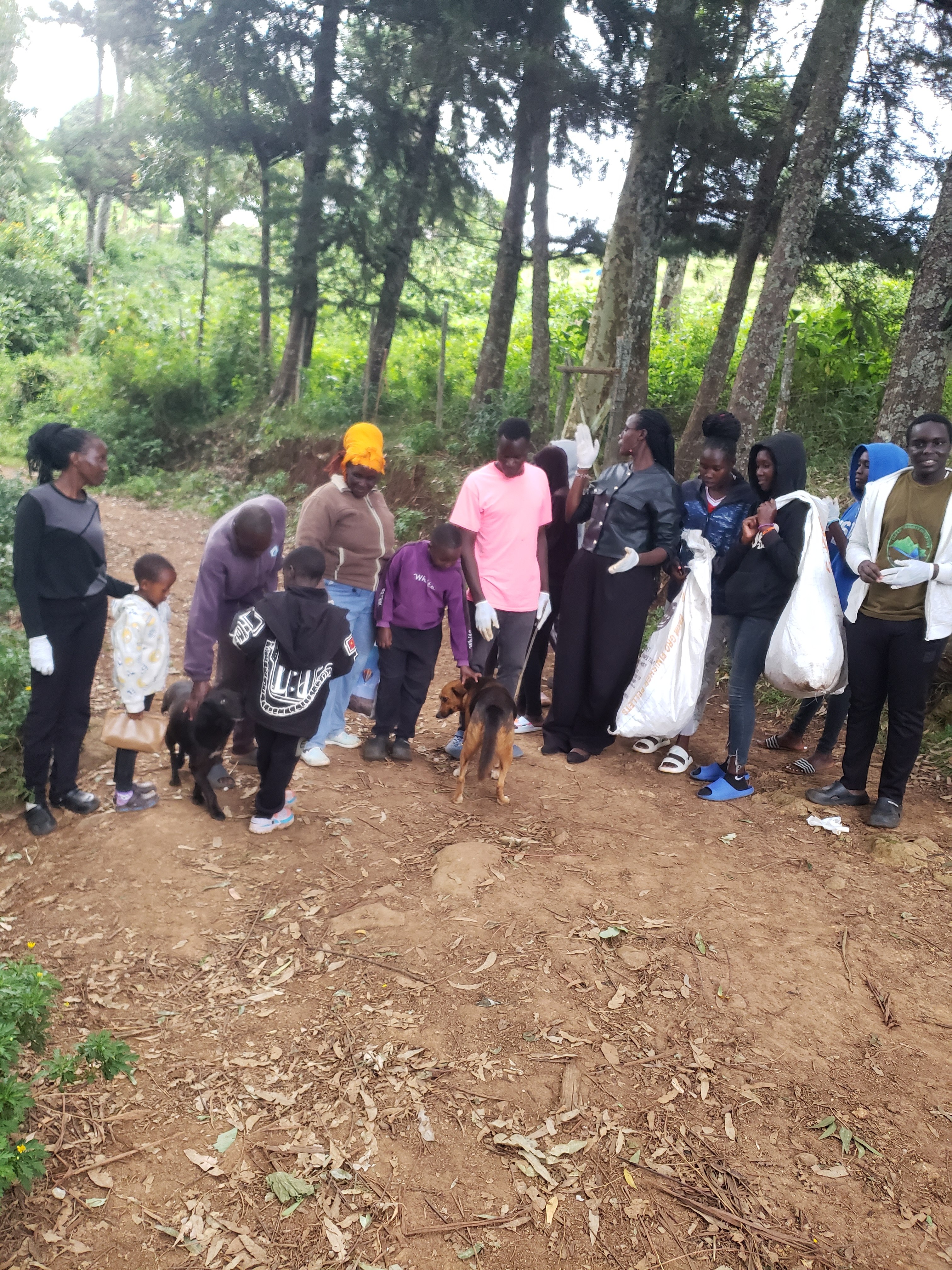
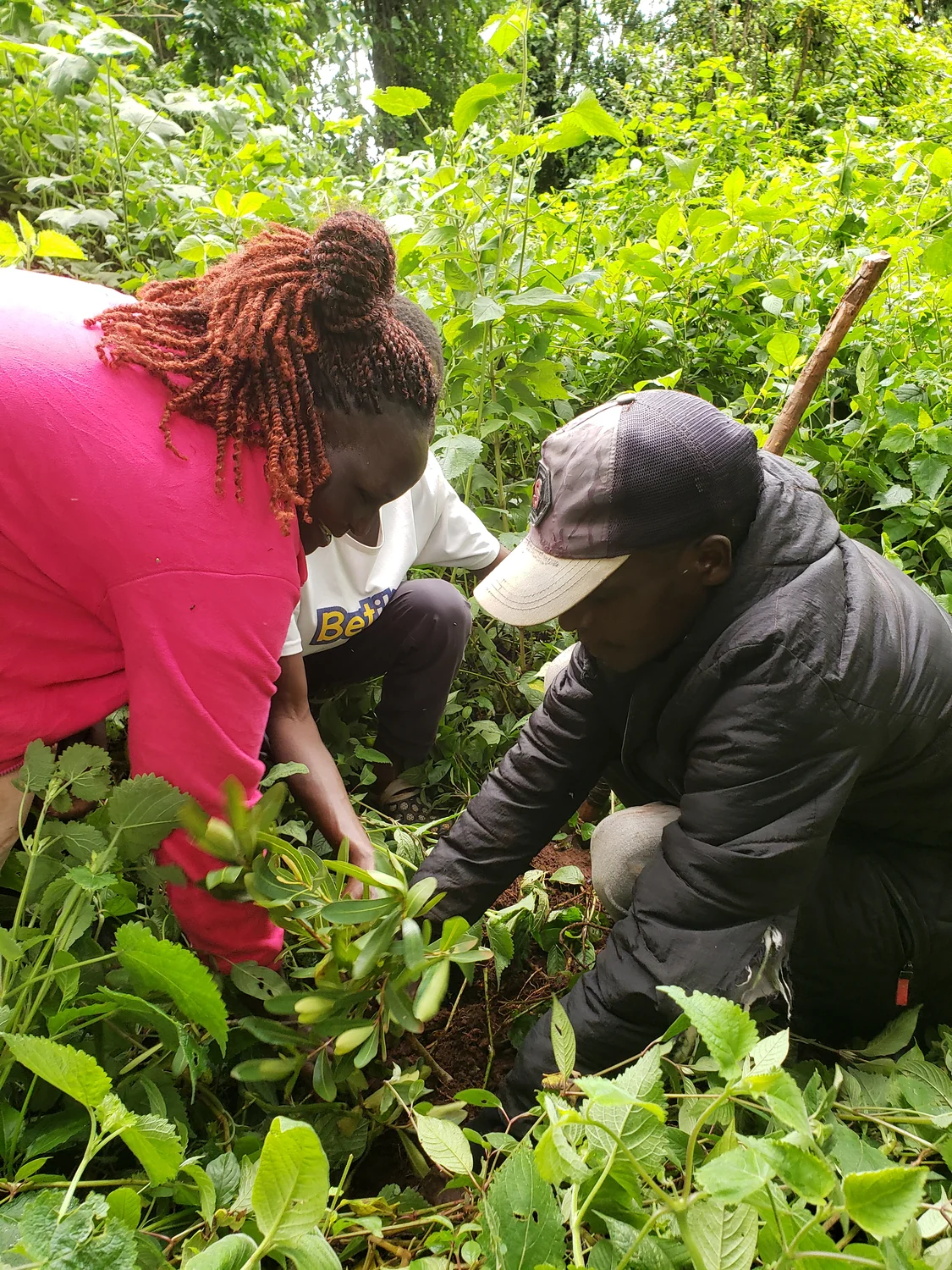
At Oldoldol, Clean Heights worked alongside Simba Women’s Group on environmental clean-ups, indigenous tree planting and care for a shared water trough. The day was practical and collective: people clearing, planting and taking care of a place they use.
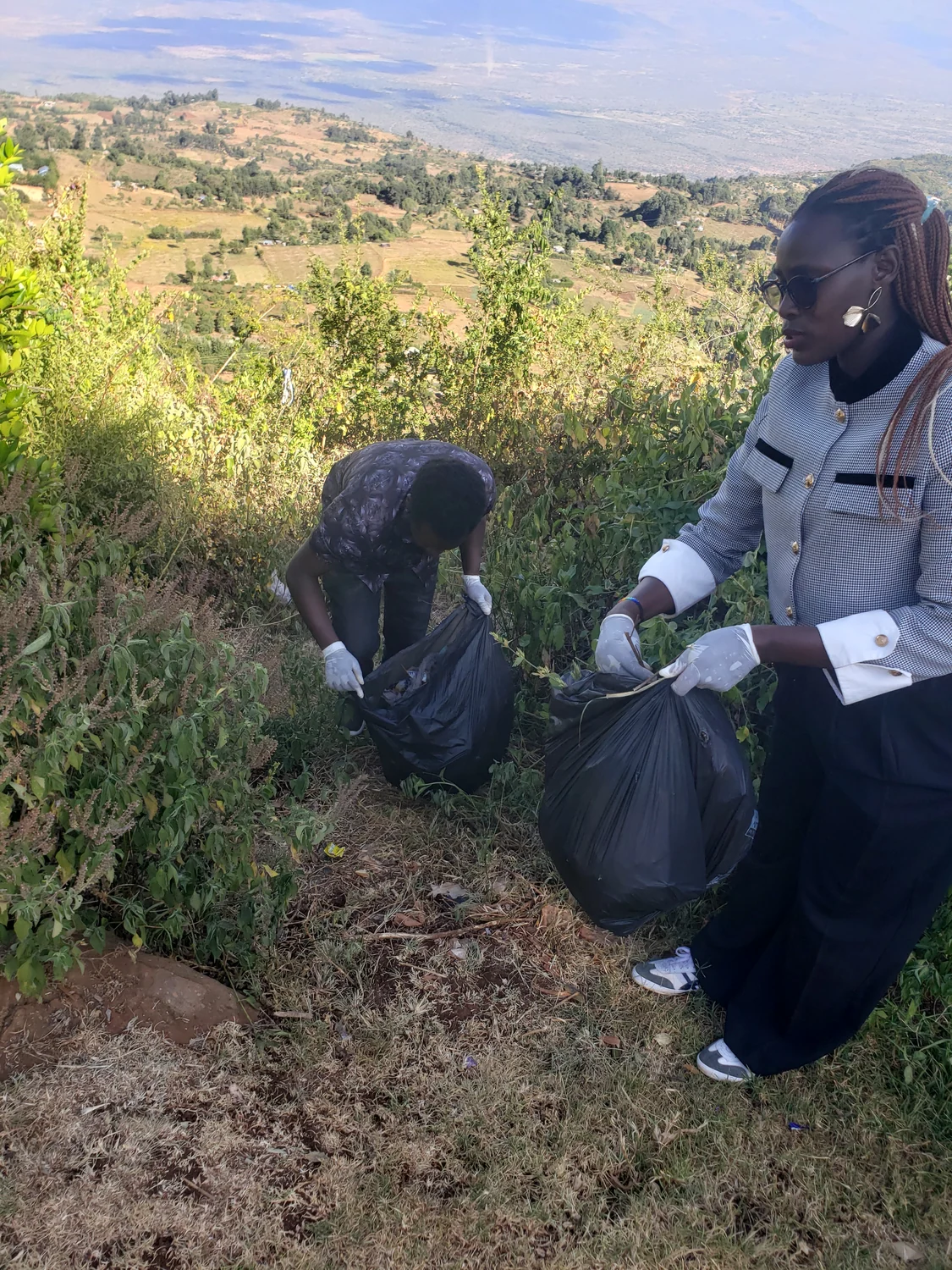
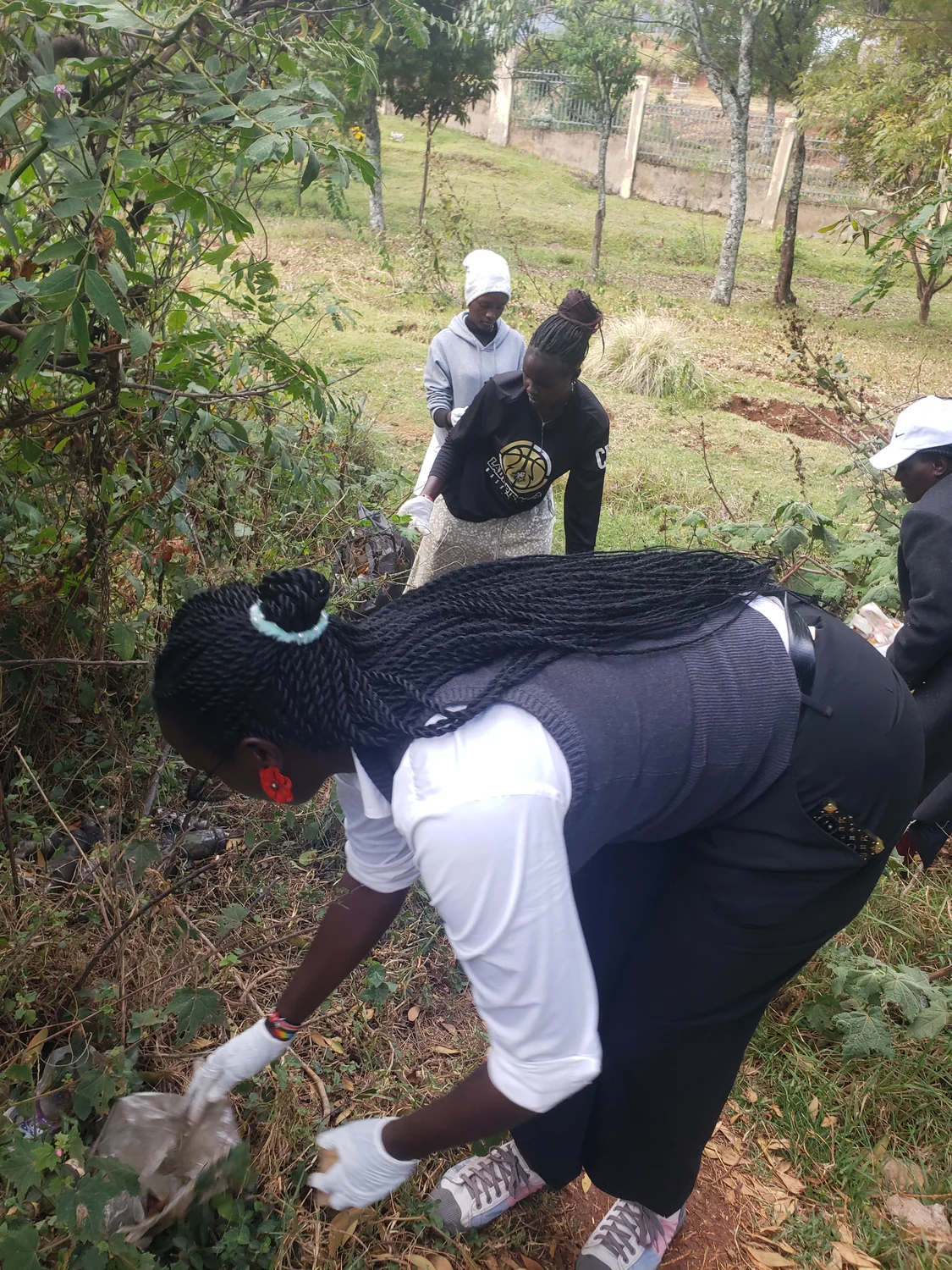
In Kiptargotich, community members gathered around a water point. In Iten, conversations created space to hear how people experience local water places. At Kamebur Escarpment, volunteers collected waste from the landscape. Each visit offered a different view of the same connection: water, the land around it and the people who care for both.
These field notes are an early record, not a water-quality study. They help show where questions came from and why follow-up, community priorities and ongoing maintenance matter. Elgeyo-Marakwet includes the Highlands, Escarpment and Kerio Valley, so local conditions need to be understood place by place. See the county’s regional geography.
Four visits. Four views of care in practice.
These photographs document specific activities and conversations. Together, they show how the Tunza Kerio questions took shape.
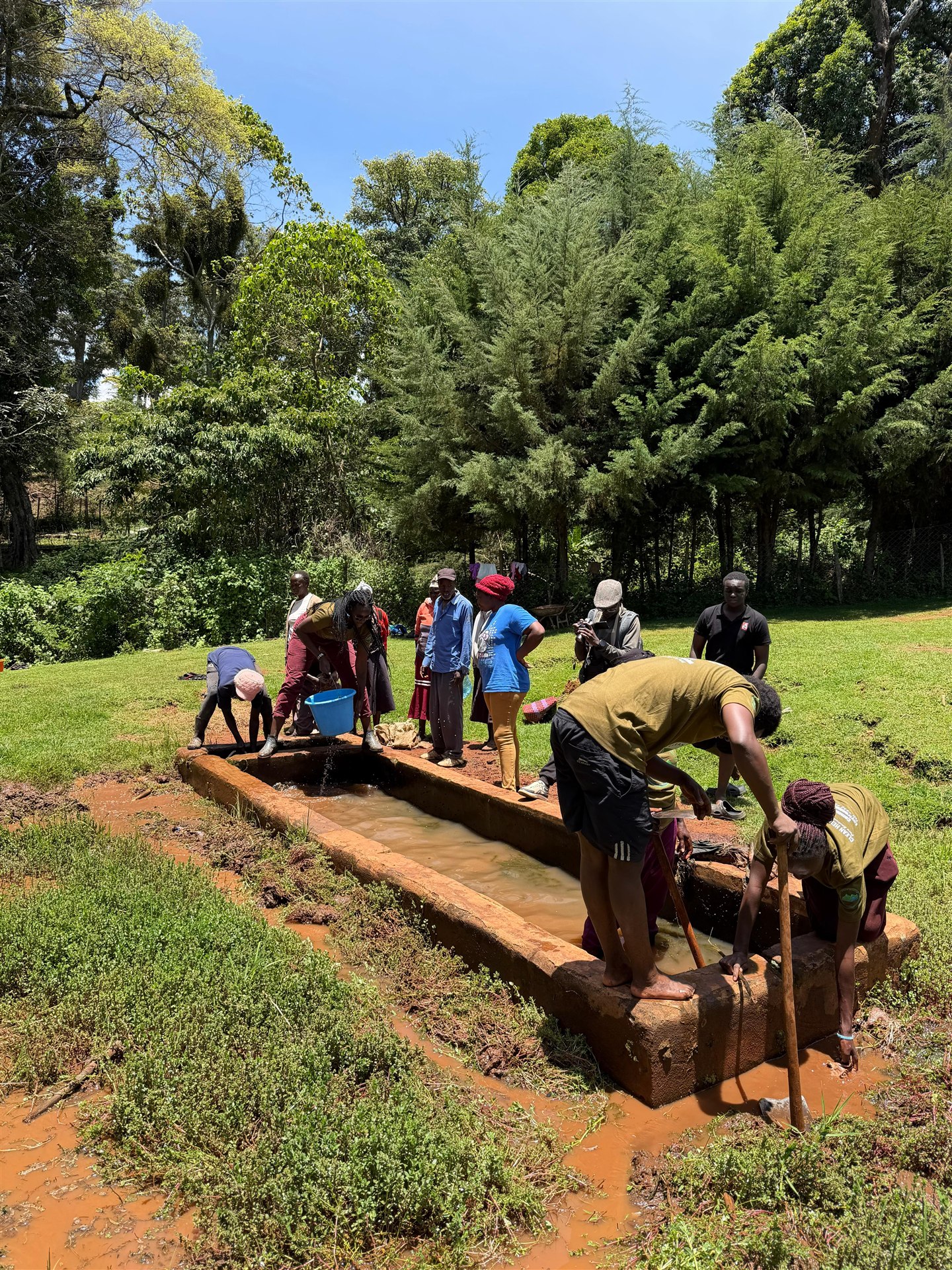
Community members worked together to clean the trough, plant indigenous trees and care for the surrounding place.
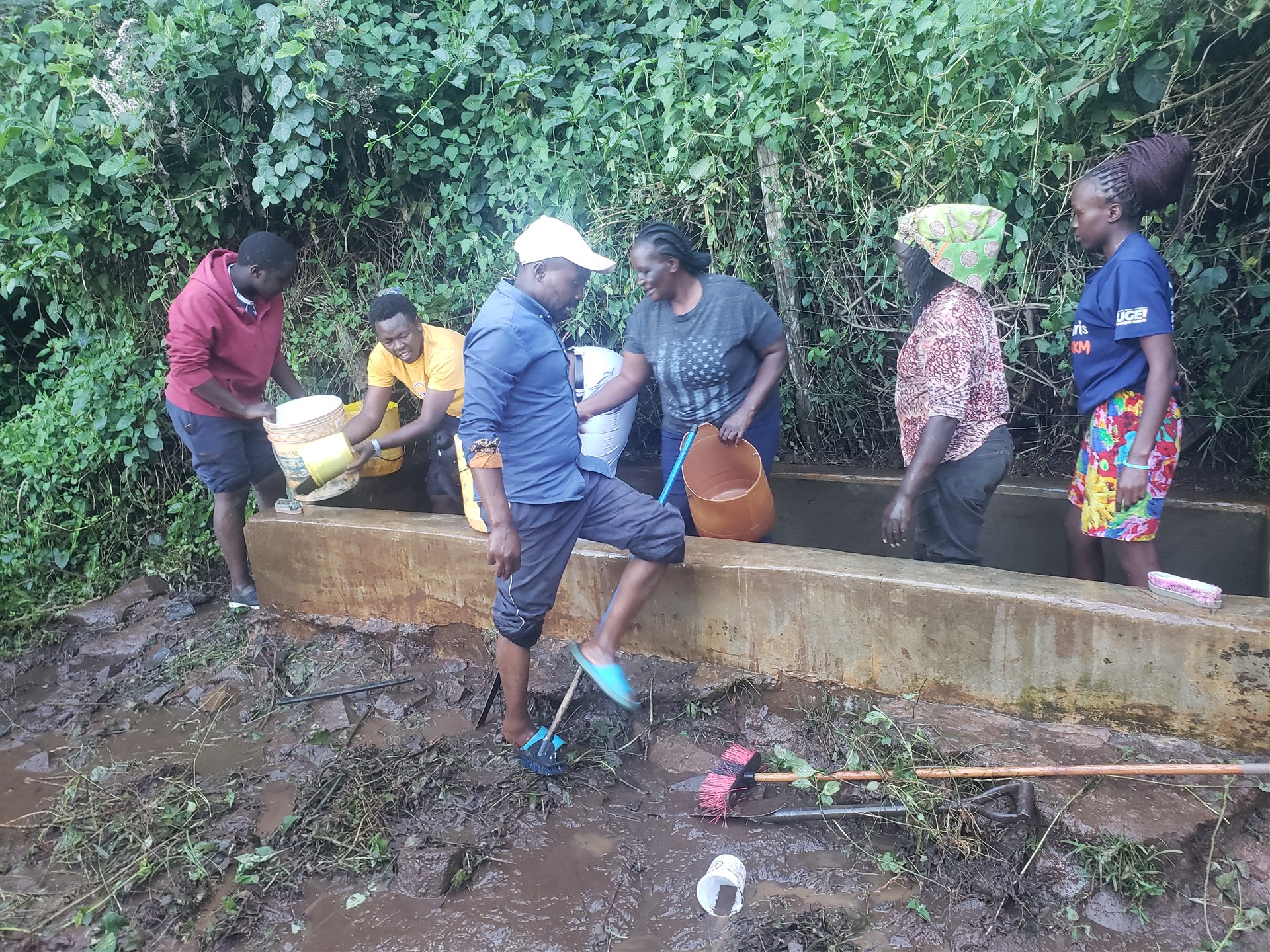
A field visit centered on a shared water point and the people who know it best.
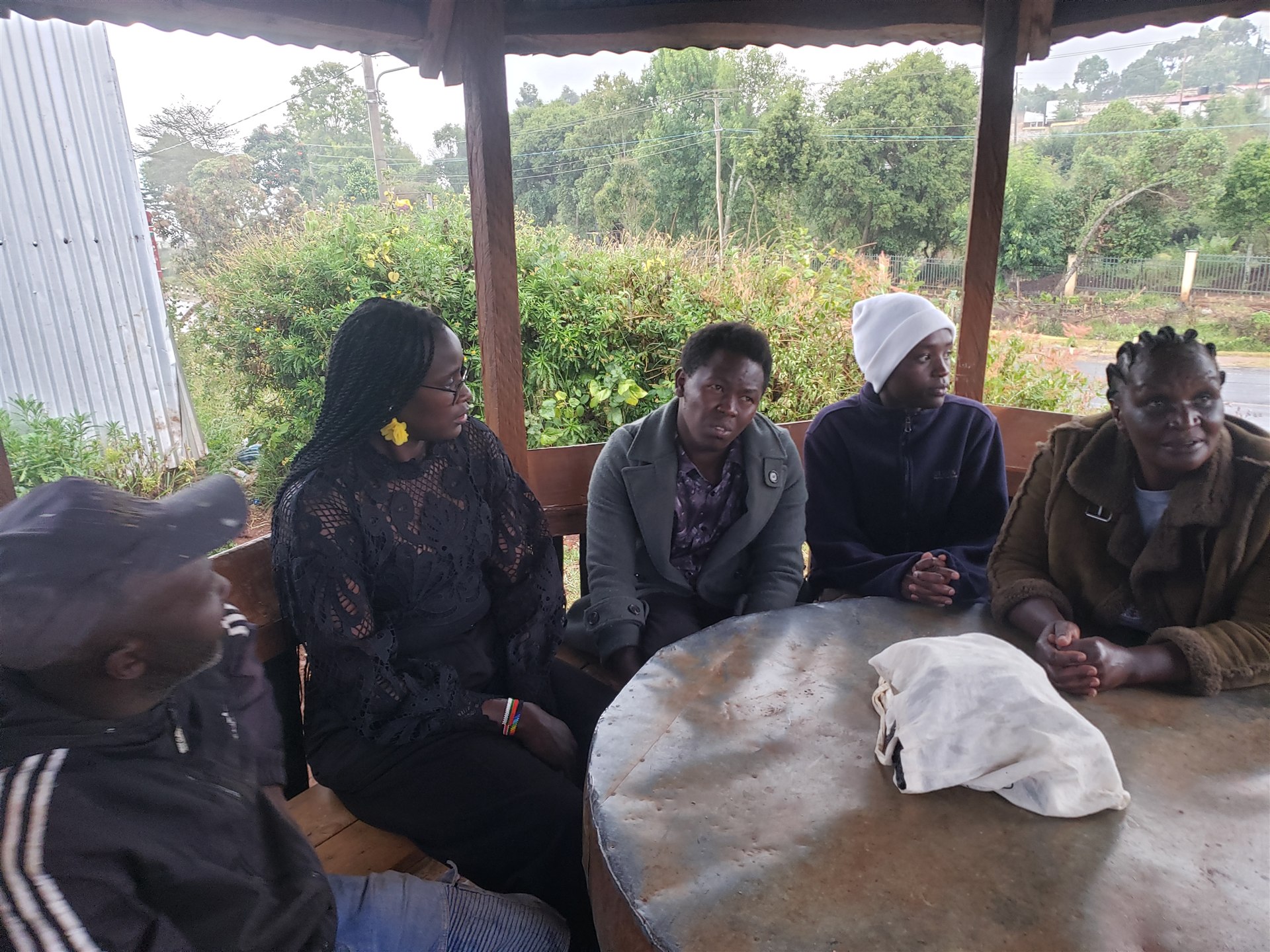
Community conversations helped surface the everyday questions around water and its surroundings.
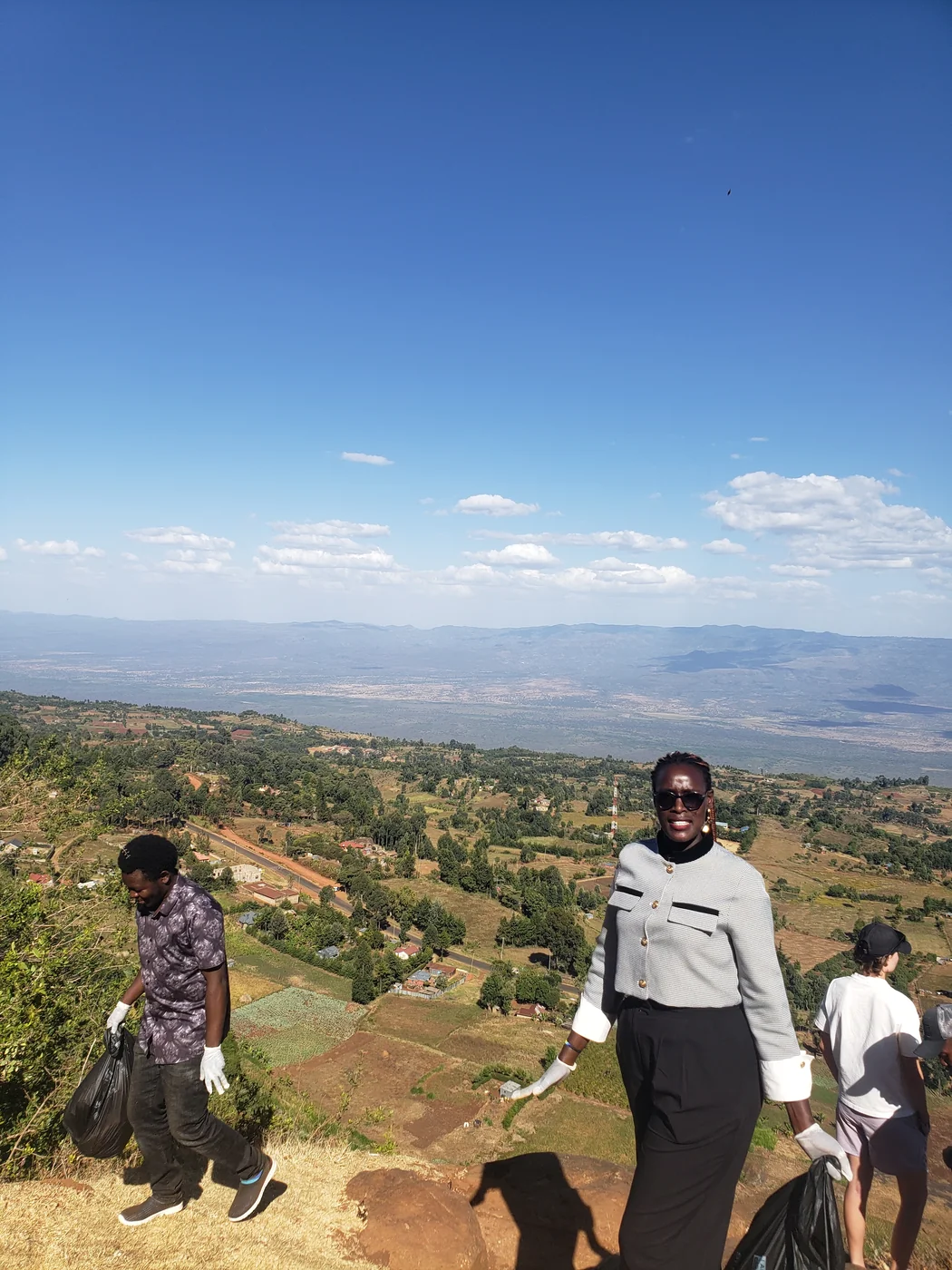
Volunteers collected waste during a clean-up at the Escarpment, connecting care for public places with the wider environment.
People, water and the work between
Additional field photographs show the places, people and landscape around the work.
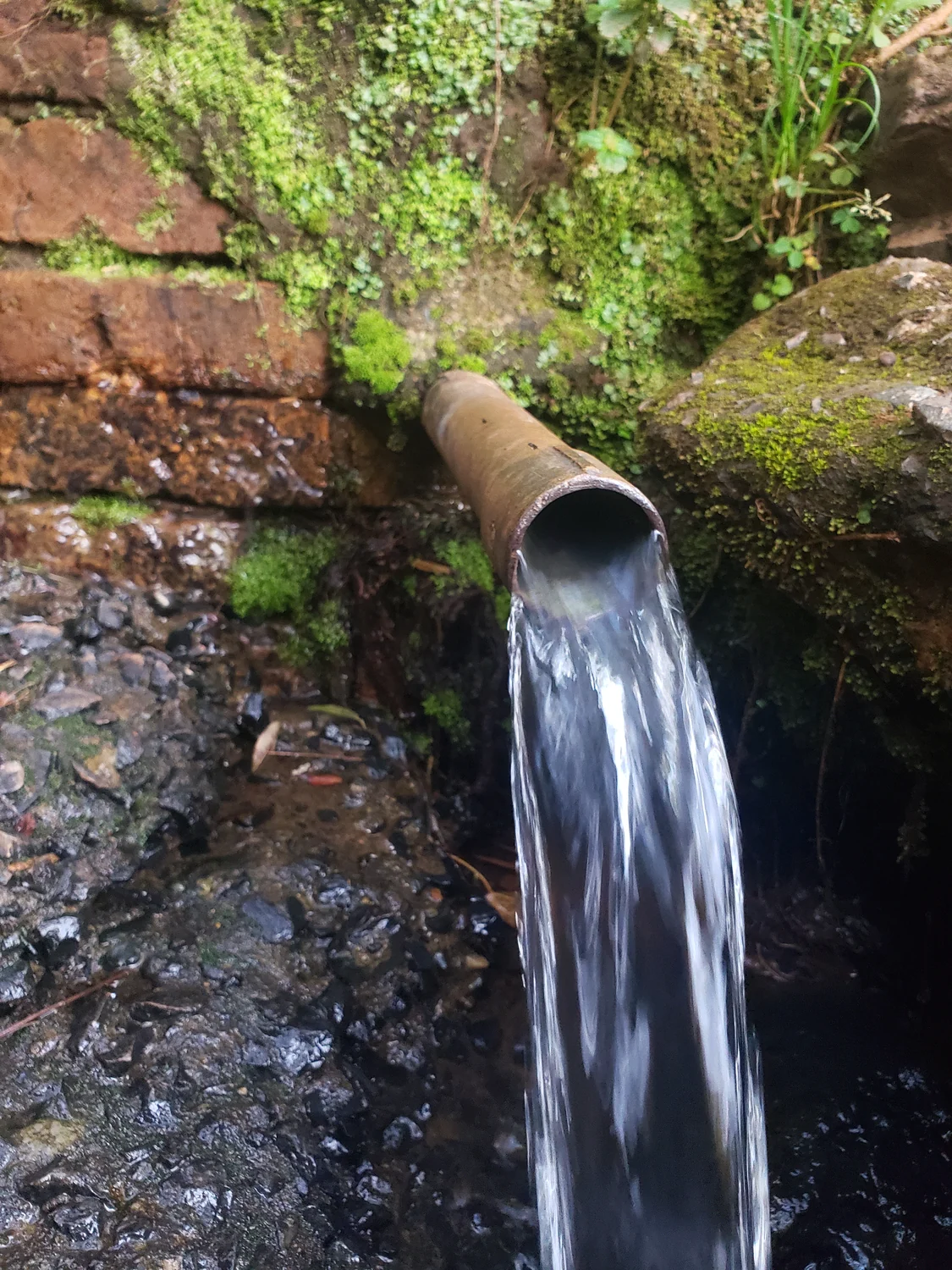
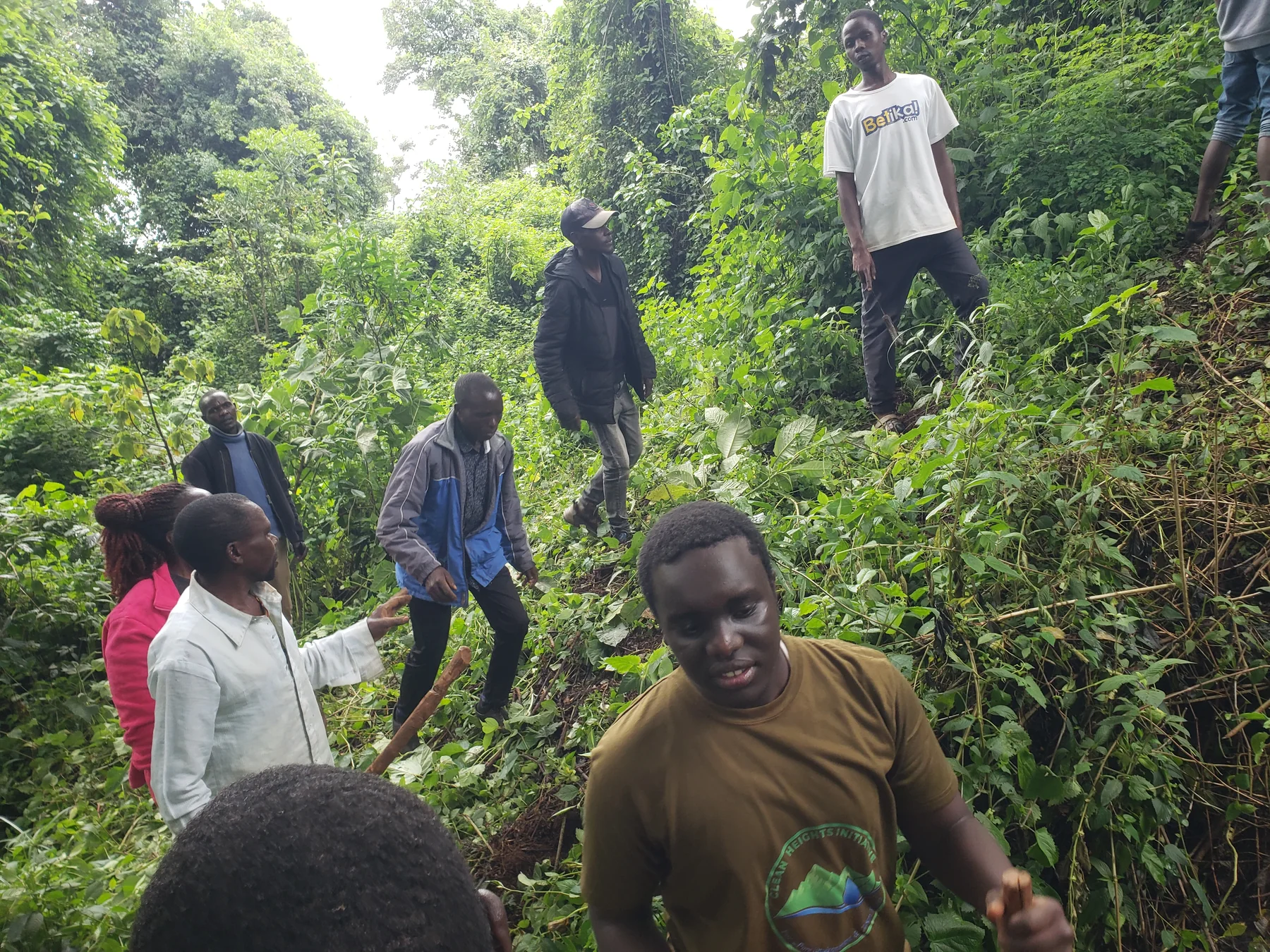
The team recalls the trough becoming dirty again within a week. That made the bigger question clear: what keeps a shared water point clean and reliable after the clean-up team leaves?
What should happen next?
To understand what would make clean water more reliable, a next phase should listen to households and local leaders, establish basic water testing, agree who maintains each source, and return to the same places to document conditions over time. Any infrastructure proposal should follow a local needs assessment, technical design, permissions and a funded maintenance plan.
How to read this account
The project report describes an exploratory pilot, not a representative survey of the region. It records no laboratory water tests, household survey, systematic measurements or follow-up visits. The available activity entries and images document work through April 2026; they do not substantiate a claim that water became safer, that a clean-up lasted, or that a proposed water system was built.
Field notes and wider context
- Clean Heights Initiative, Tunza Kerio Phase 1 Report: Exploring water-source challenges and community action in the Keiyo Highlands (reporting period February–August 2026; field activities and images supplied by Clean Heights).
- Elgeyo-Marakwet County: area and topography describes the county’s Highlands, Escarpment and Kerio Valley zones.
- Upper Kerio Valley Watershed Land Degradation Assessment provides watershed-scale context. It reports that its 2020 mapping classified 24% of the assessed watershed as high degradation and 8% as very high degradation. These regional estimates are not measurements from the photographed sites and do not measure Tunza Kerio’s impact.
- A study of rural water-point sustainability in Kenya examines operations, maintenance and access. It reinforces why follow-up matters, but does not describe the specific sources in this field story.
- Project photographs supplied by Clean Heights Initiative.